

Middle East Expat Guide: Jobs, Lifestyle and Property in 2026’s Fastest-Growing Region
The Middle East is pulling talent from every corner of the globe. Tax-free salaries, gleaming skylines, and a wave of ambitious megaprojects have turned cities once known only for oil into career launchpads. For anyone considering living in the Middle East, the opportunity is real: high earnings, modern infrastructure, and a lifestyle that blends beaches, five-star dining, and year-round sunshine. But the region is not one-size-fits-all. A middle east expat choosing between Dubai and Riyadh will face very different climates, cultures, and costs.
This guide cuts through the noise. It compares the top hubs, outlines what relocating to Middle East cities actually involves, and helps you decide if the Middle East for expats matches your career, family, and financial goals. Whether you are moving to Middle East for a two-year contract or planning a longer stay with property purchase in mind, the practical steps remain the same: understand the market, know the visa rules, and budget beyond rent.
Why Expats Choose the Middle East in 2026
The draw is money and momentum. Roles in finance, energy, aviation, technology, and tourism often come with packages that include housing allowances, annual flights, and health insurance. Salaries in Dubai and Abu Dhabi commonly sit 20 to 40 percent higher than equivalent positions in Europe or North America, and most hubs levy no personal income tax. A consultant earning 120,000 USD a year can take home the full amount, minus modest social security contributions in some markets.
Saudi Arabia has opened sectors that were closed to foreigners a few years ago. Vision 2030 projects need engineers, project managers, architects, and hospitality staff. Expat numbers in Riyadh and Jeddah are climbing, and work permits are easier to secure if you have skills tied to national priorities. The Kingdom still feels newer to expatriates compared to the United Arab Emirates, which translates to lower rents and faster career progression for those willing to navigate stricter cultural norms.
Infrastructure is world-class in the major hubs. Metro systems, fiber-optic broadband, international schools, and hospitals with Western-trained doctors are standard. English is the lingua franca in business districts, and signage in English is ubiquitous. Safety rankings place cities like Abu Dhabi and Dubai among the safest globally, with low crime and strict enforcement.
Lifestyle tradeoffs exist. Summer temperatures exceed 40 degrees Celsius, air conditioning runs constantly, and outdoor activity shifts to early mornings and evenings. Social rules vary: alcohol is restricted or banned in some markets, public displays of affection are frowned upon, and dress codes lean conservative outside resort zones. Families appreciate the emphasis on safety and cleanliness, but school fees can reach 15,000 to 25,000 USD per child annually in premium institutions. For a middle east expat, these realities shape daily routines more than glossy marketing suggests.
The regional snapshot breaks down as follows. The United Arab Emirates is the mature, diversified option with the deepest expat networks. Saudi Arabia offers higher savings potential and cutting-edge projects but demands cultural flexibility. Bahrain serves as a quieter, cost-effective base popular with finance professionals commuting to the wider Gulf. Turkey, anchored by Istanbul, appeals to those seeking lower living costs, a vibrant creative scene, and straightforward property ownership, though inflation and currency swings require close budgeting.
Where to Live: Best Hubs and Who They Suit
Choosing the right city determines your salary, savings rate, and quality of life. Below is a breakdown of the leading destinations for anyone moving to Middle East markets.
Middle East Expat Hubs at a Glance
| City | Best for | Typical 1BR rent, USD/mo | Work highlights | Property notes | Lifestyle vibe |
|---|---|---|---|---|---|
| Dubai | High earners, fast-track careers | 2,000 to 3,500 | Finance, tech, aviation, tourism | Foreigners can buy in freehold zones | Ultra modern, diverse, fast |
| Abu Dhabi | Families, government, energy | 1,800 to 3,000 | Energy, government, healthcare | Freehold areas open to expats | Calmer, beach, solid schools |
| Riyadh | Builders of megaprojects, high savings | 800 to 1,600 | Consulting, finance, tech, construction | Rules evolving, rentals common | Rapid growth, business focused |
| Jeddah | Port economy, Red Sea lifestyle | 900 to 1,700 | Logistics, hospitality, healthcare | Rentals prevalent | Coastal, more relaxed |
| Bahrain | Commuter base, finance, SMEs | 900 to 1,800 | Financial services, back office | Freehold zones for foreigners | Friendly, compact, easy |
| Istanbul | Value seekers, creatives, startups | 600 to 1,200 | Tech, tourism, creative | Foreigners can buy, check zones | Historic, lively, affordable |
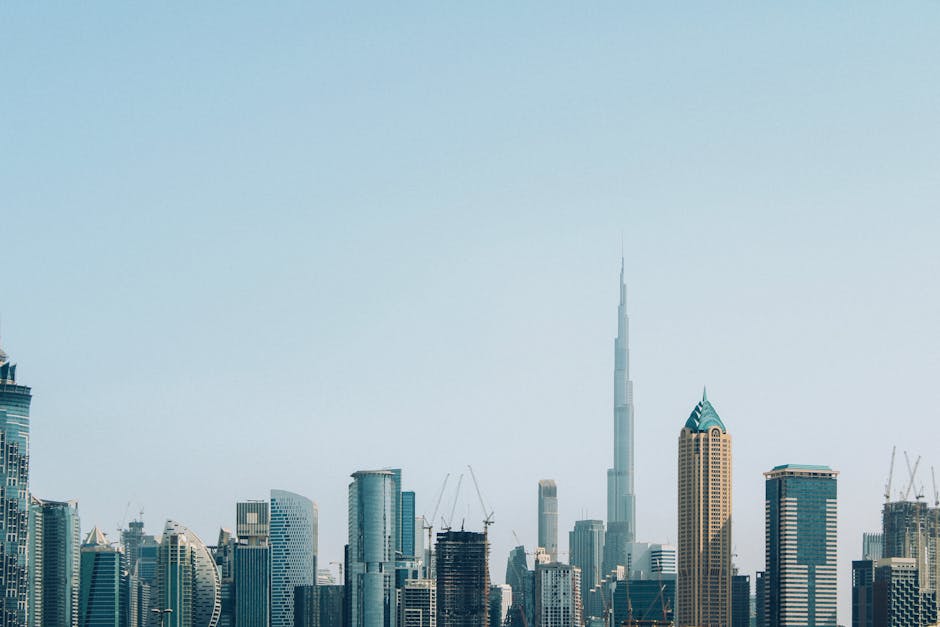
Dubai remains the flagship. It attracts multinational headquarters, regional trading desks, and tech hubs. Freehold zones such as Dubai Marina, Downtown, and Business Bay allow foreigners to purchase property outright, and a growing number of developers accept crypto or staggered payment plans. The pace is relentless, networking is constant, and turnover is high. Single professionals and ambitious couples thrive; families with young children often prefer the slightly slower rhythm of Abu Dhabi.
Abu Dhabi leans toward stability. Government ministries, sovereign wealth funds, and energy giants anchor the economy. Expat packages often include villa accommodation, and international schools have waiting lists but accept enrollments with advance planning. Freehold zones like Yas Island and Saadiyat Island offer beachfront apartments and cultural amenities. Rents sit slightly below Dubai levels, and the city feels more spacious.
Riyadh is where ambition meets austerity. Consultancies, construction firms, and financial institutions pay top dollar for expats willing to work long hours on Vision 2030 projects. Alcohol is prohibited, entertainment options are expanding but still limited, and the social scene skews toward compound living and private clubs. Rents are a fraction of Dubai, meaning a professional earning 150,000 USD can save 70,000 to 90,000 USD annually if disciplined. Property rules are evolving; some freehold zones now permit foreign ownership, though most expats rent.
Jeddah offers a coastal alternative in Saudi Arabia. The Red Sea waterfront, a more relaxed atmosphere compared to Riyadh, and roles in logistics, healthcare, and hospitality make it popular with families. Rents remain affordable, and compound living is the norm. Property ownership for foreigners is limited but expanding in designated zones.
Bahrain punches above its weight. The Kingdom is small, connected to Saudi Arabia by a causeway, and home to a large financial sector. Many expats live in Bahrain and commute to neighboring Gulf states for work. Rents are moderate, alcohol is legal, and the expat population is well established. Freehold zones allow property purchase, and villas with gardens are common. The pace is slower, and traffic is manageable.
Istanbul sits at the crossroads of Europe and Asia. Tech startups, creative agencies, and tourism ventures populate the employment landscape. Foreigners can buy property in designated areas with relative ease, and the lira’s volatility means dollar earners enjoy purchasing power. Rents in districts like Kadikoy or Besiktas run 600 to 1,200 USD a month for modern apartments. The city is vibrant, culturally rich, and diverse, but inflation and political uncertainty require close financial management.
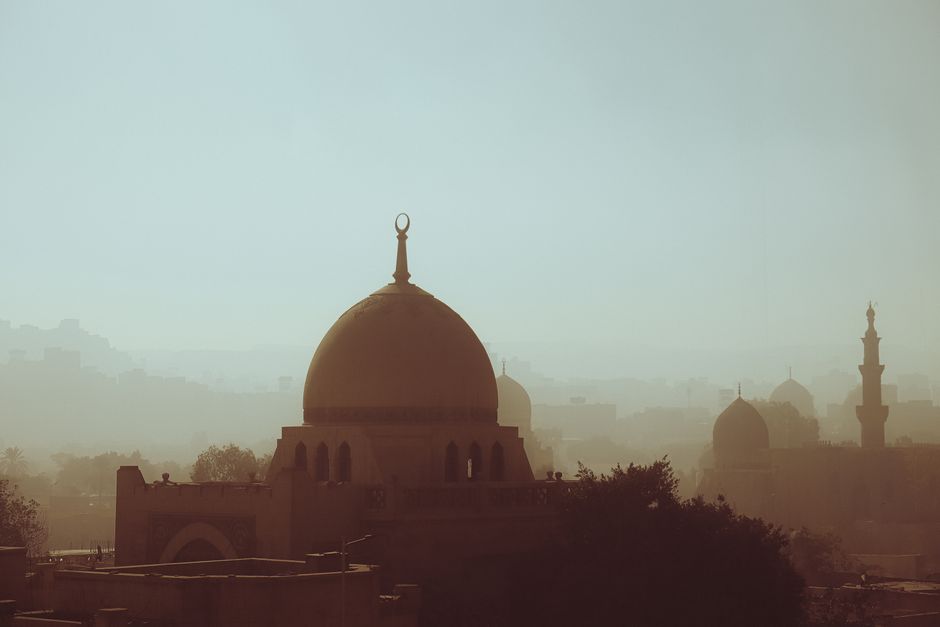
Serene view of Cairo’s skyline silhouetted in mist, highlighting ancient Islamic architecture.
Practical Steps: Relocating to Middle East Checklist
Living in the Middle East begins with paperwork. Most hubs require an employer to sponsor your residency visa. Bring attested copies of your university degree, employment contract, police clearance certificate, and passport photos. Medical exams are mandatory, and some countries test for specific conditions. Documents issued outside the region often need certification by your home country’s foreign ministry and the relevant embassy.
Housing comes next. Landlords in Dubai and Abu Dhabi expect rent paid in one to four post-dated checks, covering six or twelve months upfront. Security deposits equal one month’s rent. Budget a three-month cash buffer to cover initial expenses, including utilities, internet, and cooling charges that spike in summer. Research districts before committing: proximity to work, school catchment zones, and access to metro or parking all matter.
Banking requires a residency visa and an employer letter. Open a local account to receive salary, pay rent, and avoid currency conversion fees. Understand your home country’s tax obligations; many nations tax global income even if you live abroad, and tax treaties vary. Consult an accountant familiar with expatriate filings.
Healthcare is typically covered by employer insurance. Verify the network of clinics and hospitals, add dependents to your policy, and keep digital copies of your insurance card. Public healthcare exists but most expats use private facilities where English-speaking doctors are standard.
Schooling demands early action. International schools in Dubai and Abu Dhabi have waiting lists, and annual fees range from 8,000 to 25,000 USD per child. Curriculum options include British, American, IB, and Indian systems. Visit campuses before arrival if possible, and apply as soon as your visa is confirmed.
Driving licenses can often be converted from home licenses, depending on bilateral agreements. Budget for tolls, parking fees, and fuel. Metro systems in Dubai and Riyadh offer clean, affordable alternatives for daily commutes.
Culture and etiquette shape daily life. Dress modestly in public spaces, especially in Saudi Arabia and Bahrain. The working week varies: Sunday to Thursday in the Gulf, Monday to Friday in Turkey. Ramadan brings adjusted working hours, restrictions on eating and drinking in public during daylight, and a slower pace. Social rules around gender interaction, photography, and public behavior are stricter than in Western markets, so observe and ask colleagues for guidance.
Budgeting for a middle east expat typically allocates 30 to 35 percent of gross income to rent, 10 to 15 percent to utilities and transport, 15 to 20 percent to schooling if you have children, and the remainder to food, entertainment, and savings. A household earning 200,000 USD a year in Dubai can realistically save 60,000 to 80,000 USD annually if disciplined. In Riyadh, savings rates can exceed 50 percent for singles living on compounds.
Your Next Steps
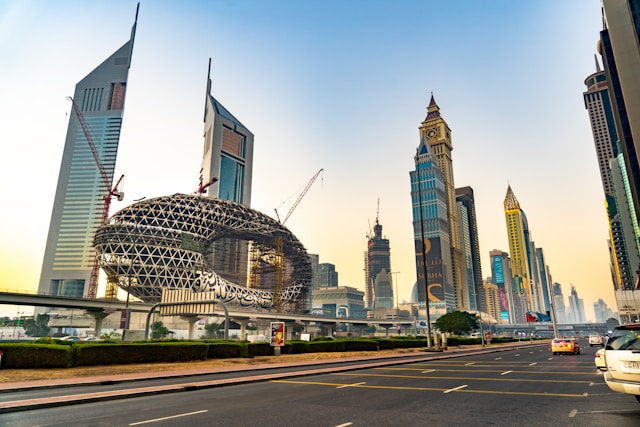
The Middle East for expats delivers financial upside, career acceleration, and a lifestyle defined by safety, sunshine, and scale. Whether you are drawn to the glittering high-rises of Dubai, the energy corridors of Abu Dhabi, the megaproject boom in Riyadh, or the affordability of Istanbul, success hinges on preparation. Understand visa pathways, budget beyond base rent, respect cultural norms, and keep your home-country tax filings current.
Dive deeper into the resources you need:
- Middle East – explore insights and opportunities across the region
- City Guides – detailed breakdowns of top expat hubs
- Investment Guides – market analysis and property trends
- How To Buy Property – step-by-step processes for foreign buyers
- Legal Finance Tips – visa, tax, and contract essentials for expats

