

Europe for Expats: The Practical Guide to Moving to Europe
Choosing where to live in Europe can feel overwhelming when you’re staring at forty-plus countries, each promising affordable sunshine or world-class healthcare or a visa that actually works for remote professionals. This guide cuts through the noise and gives you a clear framework for relocating to Europe without months of forum-diving or spreadsheet panic. Whether you’re chasing lower costs, better weather, or simply a fresh start, you’ll walk away with a shortlist of destinations, a decision matrix that matches your priorities, and a roadmap from first flight to settled expat. Use the comparison table in section three to narrow your options in minutes, then follow the action steps in section four to plan your move with confidence. Europe for expats has never been more accessible, and this is your practical playbook for living in Europe on your terms.
How to Choose Your Base in Europe: The Decision Factors

Budget and Cost of Living Tiers
Europe spans three broad cost bands. Western capitals like Paris, Munich, and Amsterdam sit at the high end: expect monthly budgets north of $3,000 for a single person covering rent, food, transport, and entertainment. Southern hubs including Lisbon, Valencia, and Athens land in the medium tier at roughly $1,800 to $2,500 per month, where you still get quality healthcare and reliable infrastructure without the premium markup. Eastern cities such as Warsaw, Bucharest, and Krakow offer the strongest value, often under $1,500 monthly, with modern coworking spaces, fast internet, and thriving expat scenes.
Visa and Residency Pathways
Visa routes determine how long you can stay and what you can do while there. Europe expat favorites now include digital-nomad visas in Portugal, Spain, Greece, Croatia, and Romania, typically requiring proof of remote income around $2,000 to $3,500 per month and granting twelve-month renewable permits. Retirees often lean on non-lucrative or passive-income visas in Spain and Portugal, which demand sufficient savings or pension income but prohibit local employment. Students gain multi-year access through university enrollment, and many countries allow post-study work permits that convert into long-term residency. Investor and golden-visa schemes remain open in Greece, Malta, and Turkey, though minimum thresholds have climbed; Greece now asks for property purchases starting near $270,000 in select zones, while Turkey’s real-estate route begins around $400,000.
Jobs and Remote Work Compatibility
If you’re working remotely, prioritize reliable fiber internet, coworking density, and time-zone overlap with clients. Lisbon, Barcelona, Athens, and Warsaw all offer dozens of coworking spaces, average download speeds above 100 Mbps, and Central European or Western European time zones that align with U.S. East Coast afternoons or Asia-Pacific mornings. On-the-ground employment favors cities with robust tech, finance, or tourism sectors: Milan and Paris for fashion and finance, Barcelona and Berlin for startups, Warsaw and Bucharest for IT outsourcing, Istanbul for e-commerce and logistics.
Healthcare, Safety, and Taxes
Europe’s public healthcare ranges from excellent to adequate. Portugal, Spain, France, and Italy provide comprehensive national systems accessible to legal residents, often requiring modest monthly contributions or employer withholding. Tax structures vary: Portugal’s non-habitual-resident regime offers reduced rates on foreign income for ten years, while France levies progressive income tax that can exceed 45 percent at high brackets. Malta and Cyprus attract entrepreneurs with territorial or favorable corporate schemes. Romania applies a flat 10 percent income tax, and Poland a progressive scale starting at 12 percent.
Lifestyle and Climate
Climate shapes daily happiness. Southern coastal cities deliver mild winters and hot, dry summers; Athens and Valencia average over 300 sunny days annually, perfect for beach lovers but challenging if you dislike heat. Northern and central hubs bring distinct seasons: Warsaw sees snowy January lows around 25°F and pleasant summer highs near 75°F, ideal for those who enjoy seasonal variety. Island life in Malta or the Greek archipelago offers slower rhythms, tight-knit communities, and ferry-dependent transport.
Best Places in Europe for Expats: Who They Suit and Why

Portugal: Lisbon and Porto
Portugal remains the darling of living in Europe guides thanks to its blend of affordability, climate, and streamlined residency. Lisbon offers Atlantic beaches within a tram ride, a booming startup scene, and neighborhoods like Príncipe Real or Alcântara that mix historic charm with modern cafés. Porto delivers lower rents, a slower pace, and the Douro Valley on your doorstep. Both cities host dense expat networks, regular meetups, and English-friendly services. Digital-nomad and D7 passive-income visas require proof of remote earnings or savings, and processing typically runs four to six months. Rental competition has intensified; one-bedroom apartments in central Lisbon start around $1,200 monthly, while Porto offers similar units near $900. Property prices in prime Lisbon districts hover near $5,500 per square meter, making selective neighborhoods attractive for buy-to-let if you’re eyeing investment. Portugal’s climate is Mediterranean with Atlantic influence: mild, wet winters and warm, dry summers. Healthcare is robust under the SNS public system, and private insurance adds fast-track specialist access for under $100 monthly.

Spain: Madrid, Barcelona, and Valencia
Spain combines cultural richness, excellent public transport, and a Mediterranean lifestyle. Madrid sits at the heart of the country, offering world-class museums, a thriving job market in finance and tech, and a central location for weekend trips across the peninsula. Barcelona attracts creatives and remote workers with its beach, Gaudí landmarks, and international vibe, though Catalan language adds a learning curve. Valencia has emerged as the value play: lower rents than Madrid or Barcelona, a compact old town, direct beach access, and a burgeoning expat community. Spain’s non-lucrative visa suits retirees and remote earners who can prove passive income around $2,400 monthly, while digital-nomad permits cater to freelancers and employees of foreign companies. Rental stock is plentiful; Valencia one-bedrooms start near $850, Barcelona around $1,300, Madrid $1,100. Purchase prices vary widely by district, with Valencia’s city center around $3,200 per square meter and Barcelona’s Eixample closer to $5,000. Spain’s public healthcare ranks among Europe’s best, and the climate ranges from hot interior summers to mild coastal winters.
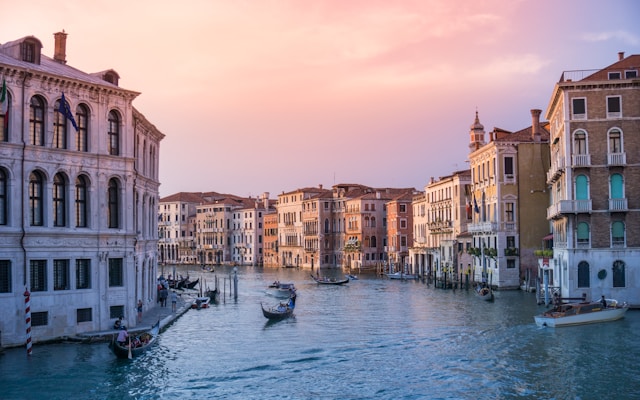
Italy: Rome, Milan, and Venice
Italy delivers unmatched heritage, cuisine, and la dolce vita. Rome offers ancient history layered with modern neighborhoods like Trastevere and Testaccio, where expats gather in wine bars and weekend markets. Milan is the business and fashion capital, with sleek infrastructure, international schools, and a fast-paced work culture; it suits professionals seeking career mobility and design-forward living. Venice and smaller cities like Florence or Naples provide slower rhythms, tight communities, and lower costs, though job opportunities narrow outside tourism and remote work. Italy’s elective-residency visa requires proof of passive income sufficient to support yourself, typically interpreted as $35,000 to $40,000 annually, and prohibits local employment. Work permits depend on employer sponsorship. Rentals in Rome’s semi-central zones start around $1,100 for one bedroom, Milan closer to $1,400, and Venice’s mainland Mestre around $850. Purchase prices in Rome’s historic core exceed $6,000 per square meter, while Milan’s prime districts push $7,000. Regional variety is immense; southern coastal towns offer sea views and charm at half the price but with fewer services. Italy’s public healthcare, the SSN, provides comprehensive coverage once you’re registered as a resident.

France: Paris, Nice, and Marseille
France combines world-leading cuisine, art, and infrastructure with a reputation for bureaucratic rigor. Paris remains the cultural and business hub, offering unmatched museums, Michelin dining, and Europe’s best rail connectivity, but costs and paperwork can test patience. Nice and the Côte d’Azur deliver Mediterranean climate, beaches, and a more relaxed pace, attracting retirees and remote professionals who value sun and sea. Marseille, France’s second city, offers gritty authenticity, vibrant markets, and lower rents than Paris or Nice. France’s talent-passport visa targets skilled workers and entrepreneurs, requiring employer sponsorship or proof of business viability, while student visas provide multi-year access with post-study work rights. Rentals in Paris average $1,800 for a one-bedroom in outer arrondissements, Nice around $1,400, Marseille near $1,000. Property prices in central Paris exceed $12,000 per square meter; Nice’s Promenade des Anglais districts hover near $6,500, Marseille closer to $4,000. France’s public healthcare, accessed via the Sécurité Sociale, is comprehensive but requires navigating the Carte Vitale registration. Tenancy laws favor long-term leases, and landlords often demand guarantors or advance rent.

Greece: Athens and the Islands
Greece offers sunshine, affordability, and a laid-back lifestyle that appeals to retirees, remote workers, and investors. Athens blends ancient landmarks with modern neighborhoods like Koukaki and Exarchia, where cafés spill onto pedestrian streets and monthly budgets stay below $1,800. The islands, from Rhodes to Corfu, provide postcard scenery, tight communities, and seasonal tourism income but limited winter services and ferry-dependent logistics. Greece’s digital-nomad visa requires monthly income proof around $3,500 and grants a one-year permit renewable once. Golden-visa investment starts near $270,000 for property in many zones, doubling in prime Athens or island hotspots. Rentals in central Athens begin around $700 for one bedroom, island long-term lets range $600 to $1,000 depending on season and location. Purchase prices in Athens’ Plaka or Kolonaki districts hover near $3,500 per square meter, island properties vary wildly based on view and access. Greece’s public healthcare has improved significantly; expats often pair it with private insurance costing under $80 monthly. The climate is quintessentially Mediterranean: hot, dry summers and mild winters perfect for outdoor living.
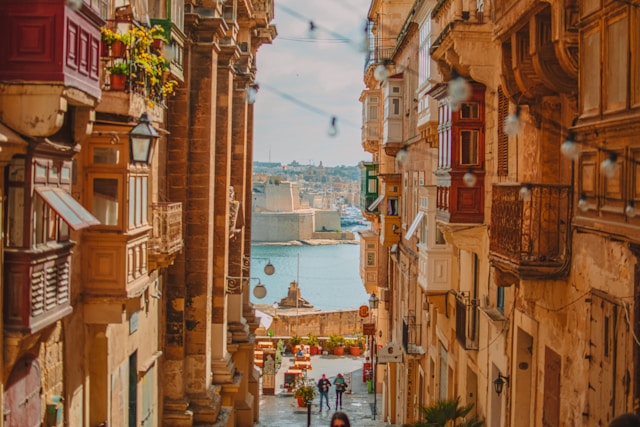
Malta: Valletta, Sliema, and St. Julians
Malta packs Mediterranean charm, English fluency, and fintech energy into an archipelago smaller than many cities. Valletta, the UNESCO-listed capital, offers baroque architecture and cultural festivals, while Sliema and St. Julians deliver modern apartments, marina views, and bustling nightlife. English is an official language alongside Maltese, making admin and socializing seamless. Malta’s work and startup visas cater to entrepreneurs and remote professionals, requiring proof of income or business registration. The investor route demands contributions and property commitments totaling over $700,000. Rentals are tight; one-bedroom apartments in Sliema start near $1,100, St. Julians around $1,200. Purchase prices in prime seafront blocks exceed $5,000 per square meter. Malta’s compact size means everything is a short drive or bus ride, though summer heat and tourist crowds can feel intense. Public healthcare is adequate; many expats choose private insurance for faster access. The Mediterranean climate and year-round sunshine appeal to sun-seekers, and the island’s EU membership offers visa-free travel across the Schengen zone.
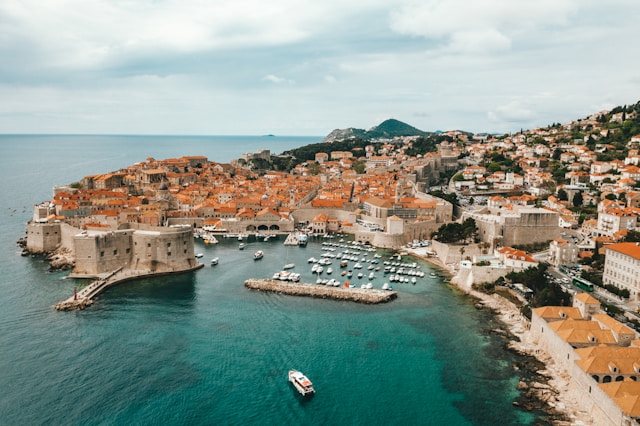
Croatia: Split, Dubrovnik, and Zagreb
Croatia has surged in popularity thanks to its Adriatic coastline, safety, and growing digital-nomad scene. Split offers a UNESCO old town, pebble beaches, and island-hopping ferry terminals, all within a budget-friendly framework. Dubrovnik delivers dramatic scenery and cruise-ship tourism but higher costs and summer crowds. Zagreb, the capital, provides urban amenities, a vibrant café culture, and lower living costs than the coast. Croatia’s digital-nomad visa requires proof of remote income around $2,800 monthly and grants a one-year stay. Work permits depend on employer sponsorship. Rentals in Split’s center start near $800 for one bedroom, Dubrovnik around $1,000, Zagreb closer to $700. Purchase prices in Split’s historic core hover near $4,000 per square meter, Dubrovnik’s old town exceeds $5,500, Zagreb averages $2,800. Croatia’s healthcare system is improving; expats often supplement public coverage with private insurance. The climate is Mediterranean along the coast and continental inland, with Split enjoying over 2,700 sunshine hours annually.
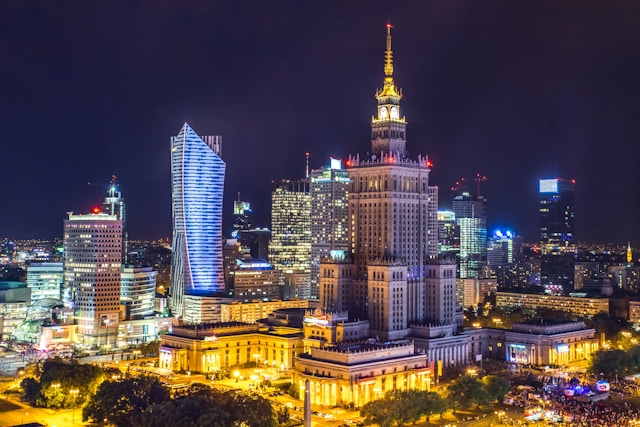
Poland: Warsaw and Krakow
Poland combines strong economic growth, modern infrastructure, and exceptional value. Warsaw, the capital, is a business and tech hub with sleek skyscrapers, parks, and a thriving startup ecosystem. Krakow offers medieval charm, a large student population, and a lower cost base. Both cities provide fast internet, abundant coworking spaces, and excellent public transport. Poland’s work visa requires employer sponsorship, while students gain access through university enrollment. EU citizens enjoy freedom of movement; non-EU expats should verify bilateral agreements. Rentals in Warsaw start around $700 for a one-bedroom apartment, Krakow near $600. Purchase prices in Warsaw’s city center average $3,500 per square meter, Krakow closer to $3,000. Poland’s public healthcare, the NFZ, covers residents; private insurance costs under $70 monthly and grants faster specialist access. The climate features cold, snowy winters and warm summers, appealing to those who enjoy seasonal variety.
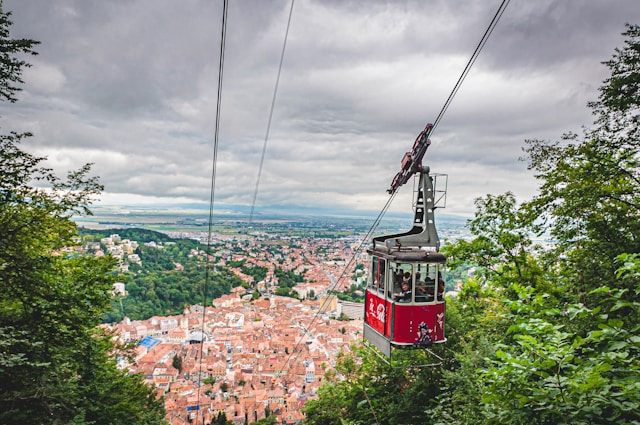
Romania: Bucharest
Romania stands out for rock-bottom costs, rapid tech-sector growth, and a young, entrepreneurial vibe. Bucharest, the capital, offers wide boulevards, Belle Époque architecture, and a lively nightlife scene fueled by affordable drinks and live music. The city has become a magnet for remote workers and startups seeking low overheads and fast internet. Romania’s work visa requires employer sponsorship, while digital-nomad permits are under discussion; many remote professionals enter on tourist stamps and extend or border-hop. Rentals in Bucharest’s central districts start near $500 for a one-bedroom apartment. Purchase prices average $1,800 per square meter in prime zones. Romania’s flat 10 percent income tax appeals to freelancers and entrepreneurs. Public healthcare quality varies; expats typically opt for private insurance costing under $60 monthly. The climate is continental with hot summers and cold winters, and English proficiency is rising among younger professionals.
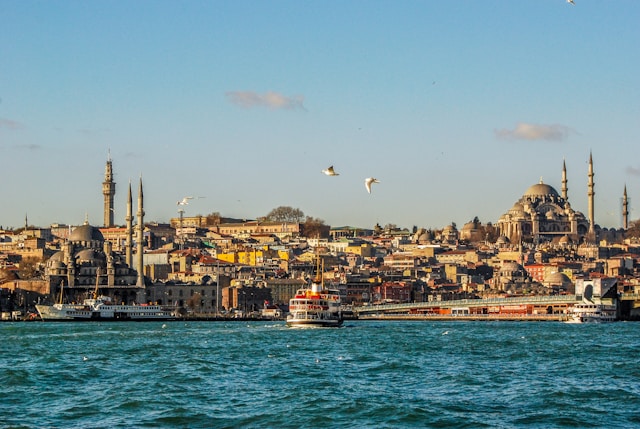
Turkey: Istanbul and Antalya
Turkey offers big-city energy, cultural fusion, and compelling value. Istanbul straddles Europe and Asia, delivering world-class dining, historic sites from Byzantine to Ottoman eras, and a dynamic business scene spanning e-commerce, logistics, and finance. Antalya provides Mediterranean beaches, resort infrastructure, and a slower pace attractive to retirees and remote workers. Turkey’s work visa requires employer sponsorship, while the residence permit for property owners is straightforward if you meet the investment threshold near $400,000. Rentals in Istanbul’s European districts start around $600 for a one-bedroom apartment, Antalya closer to $500. Purchase prices in Istanbul’s Beyoğlu or Kadıköy neighborhoods hover near $2,500 per square meter, Antalya’s beachfront developments around $1,800. Turkey’s public healthcare is improving; private insurance is affordable at under $100 monthly. The climate ranges from hot Mediterranean summers in Antalya to temperate, rainy winters in Istanbul. Exchange-rate volatility makes budgeting essential; track the Turkish lira and convert surplus savings to stable currencies.
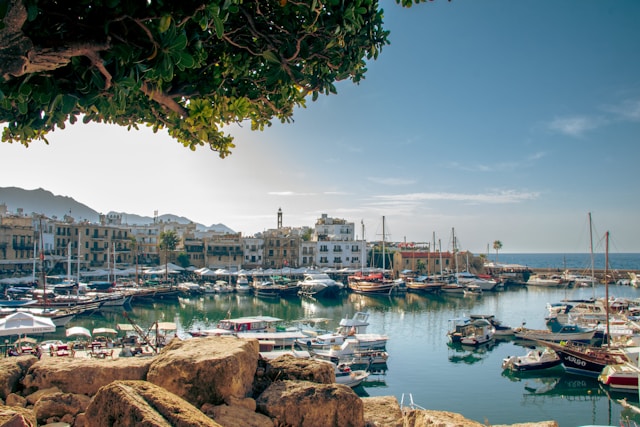
Cyprus: Limassol, Larnaca, Paphos, and Nicosia
Cyprus combines year-round sunshine, English fluency, and favorable tax regimes. Limassol is the business hub, home to fintech firms, shipping companies, and expat professionals. Larnaca and Paphos offer beach living, relaxed rhythms, and lower costs. Nicosia, the divided capital, provides a more local feel and administrative access. Cyprus issues work permits for employer-sponsored roles and offers startup and investor visas with clear income or capital thresholds. Rentals in Limassol start near $1,000 for a one-bedroom apartment, Larnaca and Paphos around $800. Purchase prices in Limassol’s marina districts exceed $4,500 per square meter, Paphos averages $2,800. Cyprus operates a territorial tax system favorable to non-domiciled residents, and the island’s healthcare blends public and private options. The Mediterranean climate delivers over 300 sunny days annually, appealing to sun-seekers and retirees.
Quick Comparison Table: Shortlist at a Glance
| Destination | Sample City | Cost of Living | Visa Pathways Highlight | Lifestyle Snapshot | Housing Note |
|---|---|---|---|---|---|
| Portugal | Lisbon | Medium | Digital nomad, study, investment options | Mild climate, walkable, strong expat networks | Competitive rentals, good yields in select areas |
| Spain | Valencia | Medium | Work, student, non-lucrative, digital options | Sun, great food, excellent transport | Urban apartments plentiful, coastal demand peaks in summer |
| Italy | Milan | Medium | Work, study, elective residency options | Design, fashion, rich culture | Historic stock plus new builds, regional price swings |
| France | Nice | High | Work, student, talent visas | Art, cuisine, superb rail links | Stricter tenancy rules, stable prime markets |
| Greece | Athens | Medium | Digital nomad, work, study, investment options | Island access, relaxed pace | Renovation opportunities, coastal premiums |
| Malta | Valletta | Medium | Work, startup, investor options | English friendly, compact, Mediterranean sun | Limited supply, strong rental demand |
| Croatia | Split | Medium | Digital nomad, work, study | Adriatic lifestyle, outdoor living | Seasonal demand, short-term vs long-term trade-offs |
| Poland | Krakow | Low | Work, study, business | Value, modern services, good connectivity | Value buys in secondary cities, solid rental demand |
| Romania | Bucharest | Low | Work, study, startup | Budget friendly, growing tech scene | Good value per square meter, urban condos rising |
| Turkey | Istanbul | Low | Work, study, business | Major metropolis, vibrant culture | Wide range, from historic to new turnkey |
| Cyprus | Limassol | Medium | Work, startup, investor options | English usage, sun, tax appeal | Marina developments, seasonal rentals common |
Practical Steps: Moving to Europe Without Stress
Research and comparison deliver a shortlist; execution turns it into a plane ticket and a front-door key. Follow these steps in sequence to minimize surprises and maximize momentum.
Build Your Twelve-Month Budget
Start with fixed costs: rent, utilities, internet, phone, and health insurance. Add variable spending for groceries, dining out, public transport or car expenses, coworking memberships, and language classes. Include one-time setup costs such as visa fees, document translations, notarizations, furniture deposits, and appliance purchases. Reserve an emergency buffer equal to three months of living expenses to cover unexpected repairs, medical co-pays, or visa delays. Use cost-of-living calculators and expat forums to benchmark each city, then inflate estimates by 15 percent to account for lifestyle creep and initial inefficiencies. Track spending in your first three months and adjust the budget as you learn true costs.
Decide Rent vs. Buy
Renting first is the safest move when relocating to Europe. Book a short-term rental or aparthotel for your first month, then explore neighborhoods on foot, test commute times, and visit local markets before committing to a year-long lease. This reconnaissance period lets you discover hidden gems and avoid areas that look great online but disappoint in reality. Once you’ve chosen a neighborhood, engage a local real-estate agent or use platforms popular in that country; read lease terms carefully, confirm deposit limits, and photograph the property before move-in to avoid disputes at checkout. If you’re considering purchase, wait at least six months to ensure the city truly fits. Work with a lawyer who specializes in foreign buyers to navigate title checks, notary requirements, and tax implications. Calculate total acquisition costs, including notary fees, registration taxes, and agent commissions, which can add 10 to 15 percent on top of the purchase price. Financing is harder for non-residents; many buyers bring cash or arrange mortgages through international banks with local branches.
Integrate Faster
Join expat groups on social platforms and attend meetups within your first month; these networks provide insider tips, friendship circles, and professional contacts. Enroll in a language course, even if the city is English friendly; basic skills signal respect and unlock deeper cultural access. Volunteer with local nonprofits, join sports clubs or hiking groups, and explore weekend markets to meet both expats and locals. Many cities host regular events for newcomers, from walking tours to language exchanges to startup pitch nights. Building a social foundation early combats isolation and accelerates the feeling of home. Track your visa renewal deadlines and any requirements for maintaining residency, such as minimum days in-country or continued proof of income, to avoid losing your status after investing time and money in the move.
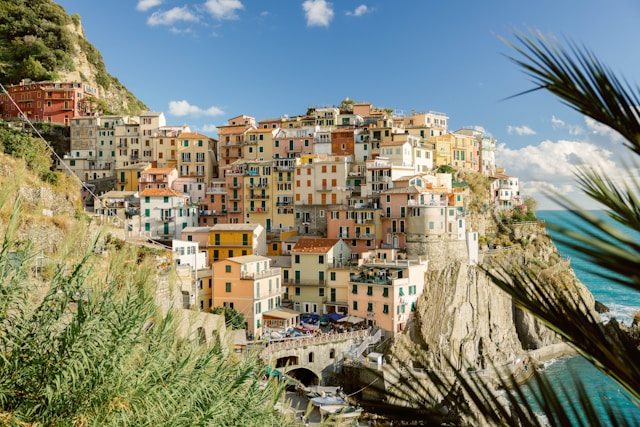
Your Next Move
The best destination is the one that aligns your budget, visa eligibility, and daily happiness. Use the comparison table to shortlist three places, then book reconnaissance trips of two to four weeks in each. Walk the neighborhoods, sample the coffee, test the coworking internet, and talk to expats who’ve already made the leap. Once you’ve chosen, commit to a six-to-twelve-month plan: secure your visa, arrange temporary housing, and set a move date. Europe for expats rewards preparation and flexibility; expect a learning curve, embrace the bureaucracy as part of the adventure, and give yourself permission to adjust if your first choice doesn’t click. Thousands have done it before you, and the infrastructure, from digital-nomad visas to English-friendly services, has never been stronger.
Ready to dive deeper? Explore these resources on Est8y:

